Video Template

[Video Name]

[Topic Name]

Aim: In this topic you are going to learn about the meaning of “…” and why it is so important.

Objectives: read the activity objectives below;

  1. Listening comprehension: to watch a topic video and learn the key vocabulary and language
  2. Reading comprehension: to practice reading and learn paragraph writing format styles
  3. Writing: to research an endangered animal and write a short report – paragraph format
  4. Speaking: prepare a short 1 minute presentation about your endangered animal

Video Watch the video two times and follow the steps below. There are two steps.

Step 1: First, watch the video with no subtitles, and try and understand the content – what is the topic about? Do not take notes at this stage, just listen.

Skill exercise:

  • Listen for the main points in the video
  • Remember key words or phrases

Step 2: Watch the video a second time with English subtitles and follow the skill exercise.

Skill exercise:

  • Write keywords or phrases – also called topic vocabulary or specialised vocabulary
  • Identify the main points – write them
  • Identify the support sentences explaining the main points

References

Alwehaibi, H. O. (2015). The Impact of Using Youtube in EFL Classroom on Enhancing EFL Students’ Content Learning. Journal of College Teaching & Learning12(2), 121-126. PDF link

Brook, J. (2011). The affordances of YouTube for language learning and teaching. Hawaii Pacific University TESOL Working Paper Series9(1), 2. PDF link

6. Customs and Traditions

Customs & Traditions: Why is Culture Important?

Part 1 Video: Watch the video two times and follow the steps below.

Step 1: First, watch the video with no subtitles, and try and understand the content – what is the topic about? Do not take notes at this stage, just listen.

Skill exercise:

  • Listen for the main points in the video
  • Remember key words or phrases

Step 2: Watch the video a second time with English subtitles and follow the skill exercise.

Skill exercise: In the Tasks;

  • Task 1 – Identify the main points – write them
  • Task 2 – Write keywords or phrases – also called topic vocabulary or specialised vocabulary
  • Task 3 – Identify the support sentences explaining the main points

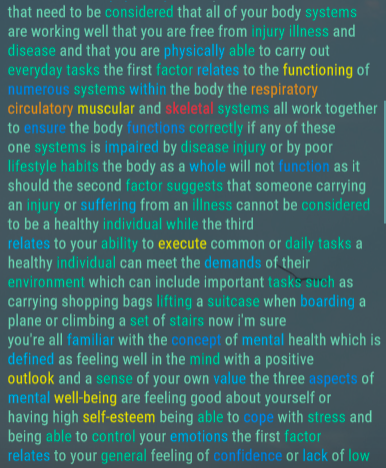
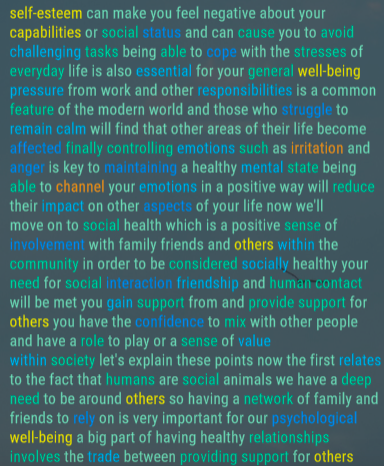
Part 2: Reading Activity

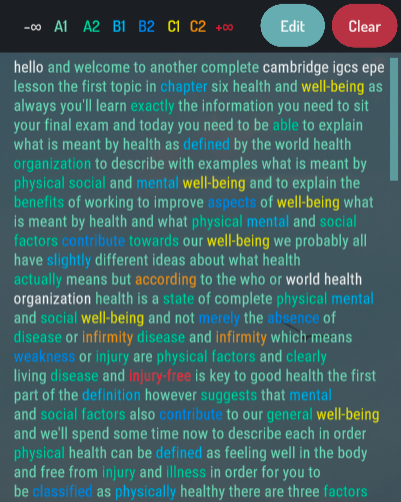
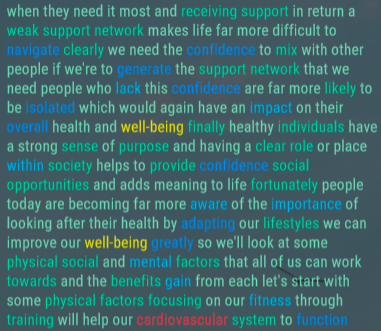
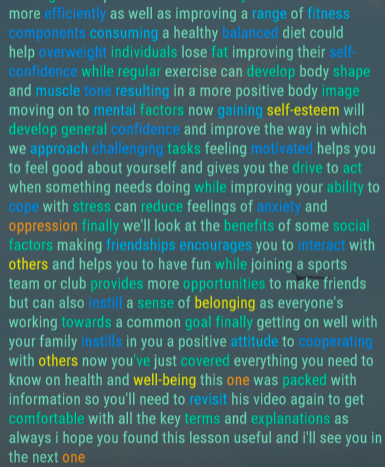
Color Code


Part 3 Writing Activity:

Aim: To answer questions and write your responses

Method: To complete the worksheet

Task 1: Video

  • Watch the video 1 more time, and then
  • Write your impression “your opinion” about this video (30words)

Task 2: Meaning

  • Write a definition of the title Customs & Traditions – what does this title mean?

Task 3: Explain

In the video the term cultural diversity is used:

  • What does cultural diversity mean?

Task 4: Japan

On a scale of 1 to 5 ( 1 is the least and 5 is the highest):

  • Rate Japans level of cultural diversity (1 to 5), and explain your answer (30words)

Task 5 & Task 6 are optional activities

Task 5: Education A

Question: Do you think we should learn about other cultures in Primary, JHS, and High School? Explain your answer. (30 words)

Task 5: Education B

Question: Which country would you go to for a study abroad program in university? Why? (50words)

Task 6: Create a Survey to collect data on a specific topic

Example Topics: based on Japan

  1. Festivals & Cereamonies
  2. Seasons and Foods
  3. Music Culture
  4. Prefectures in Japan
  5. Holidays in Japan: Golden Week; Obon; Christmas; New Year; Public Holidays

Lesson 4/5/6 – May 13-20-27

Aim: Unit Video 5: learn the language and understand the topic

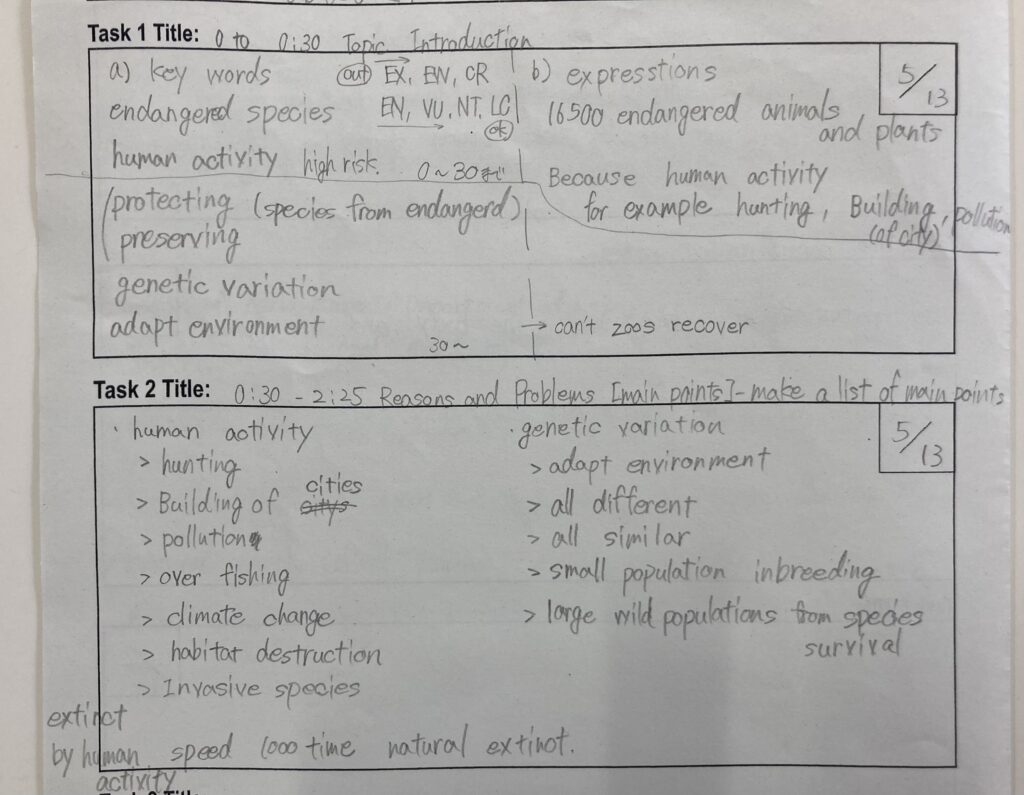
Task 1 Title: 0 to 0:30 Topic Introduction

  • divide your task into 2 halves
  • side a) key words
  • side b) expressions: [short sentences] that explain the key words

Task 2 Title: 0:30 – 2:25 Reasons and Problems [main points / 要点 (Yoten)] – make a list of main points

Task 3 to Speech card

HOMEWORK

  • Technique 16 practice your speech [5%]
  • Check the ‘Assessment’ for the score card – 30points
  • In the next class – presentation
  • Quiz 3: Saturday 9am – access

Activity: Task 4 Title: Role Plays

Aim: To make a conversation; take lines 1, 2 and 3 from your script (assignment)

Steps the teacher will guide you through the steps; Technique (3b) follow up questions link

Demonstration

  • A. The animal ‘Numbat’ is an Australian marsupial found in Western Australia.
  • B. Ahah / Amm. What is a marsupial?
  • A. It’s the same meaning as mammal. It is “哺乳類” in Japanese.
  • B. I see.
  • A. There are only 2 different areas where you can find this animal.
  • B. Only two. That isn’t a lot of places.
  • A. Right.
  • A. There are also some human habitats for this animal. For example zoo’s and wildlife parks.
  • B. I see.

Lesson 3/5 – May 8/18

Warm-Up: Writing Activity

Topic: Health & Wellbeing (HW)

Aim: In this topic you are going to learn about the meaning of “Health & Wellbeing” and why it is so important.

Objectives: read the activity objectives below;

  1. Listening comprehension: to watch a topic video and learn the key vocabulary and language
  2. Reading comprehension: to practice reading and learn paragraph writing format styles
  3. Writing: to research an endangered animal and write a short report – paragraph format
  4. Speaking: prepare a short 1 minute presentation about your health and wellbeing

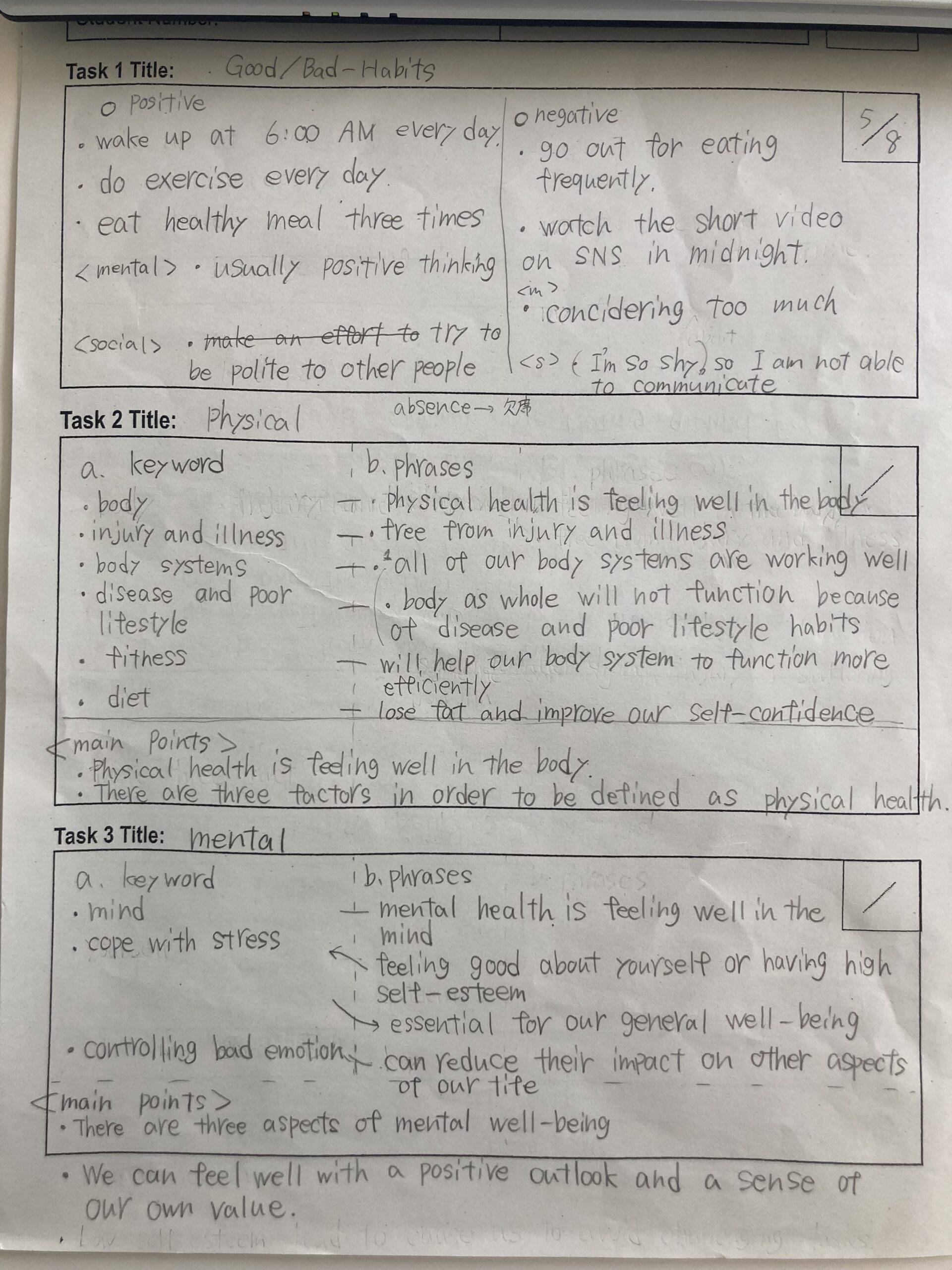
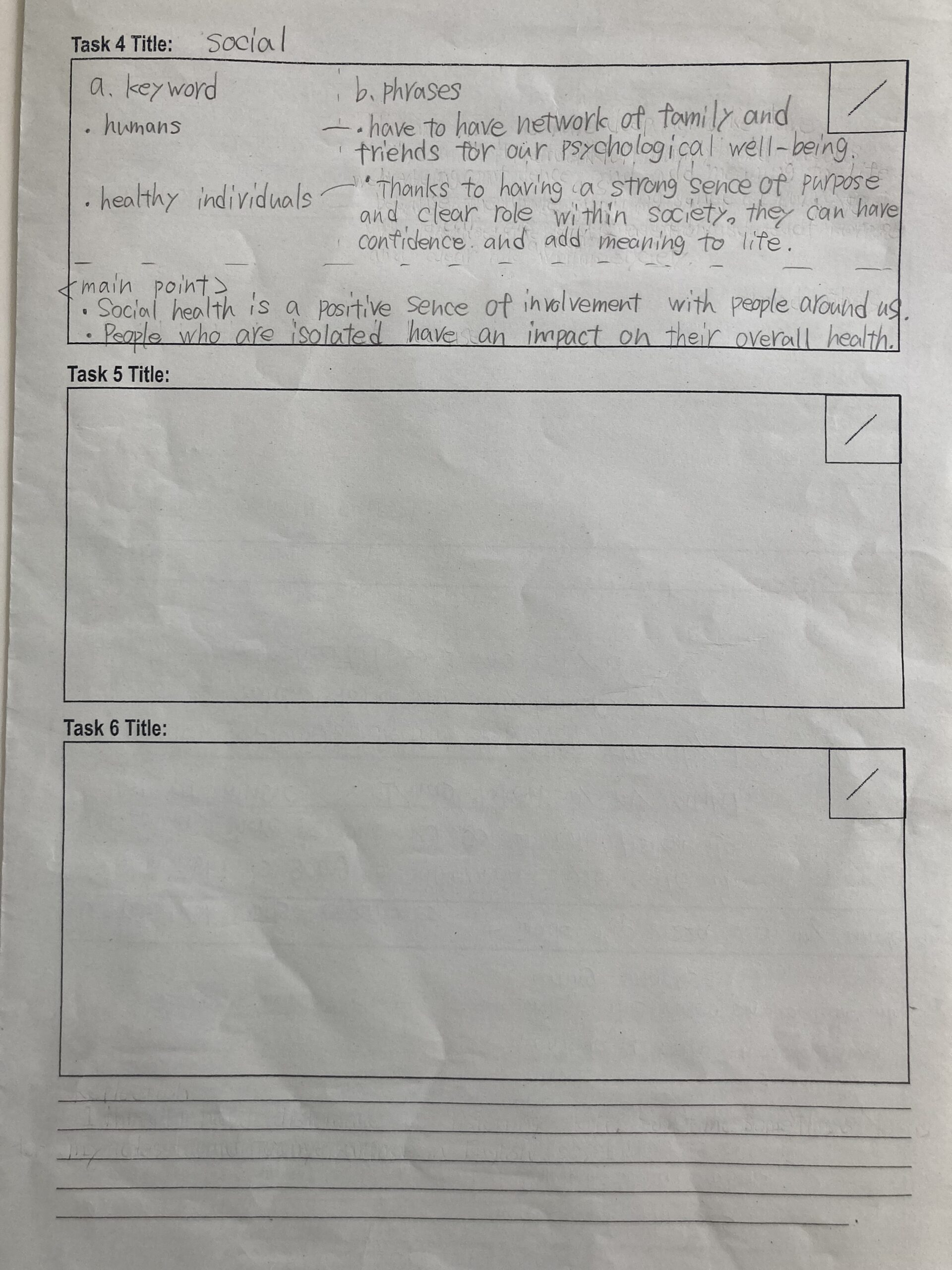
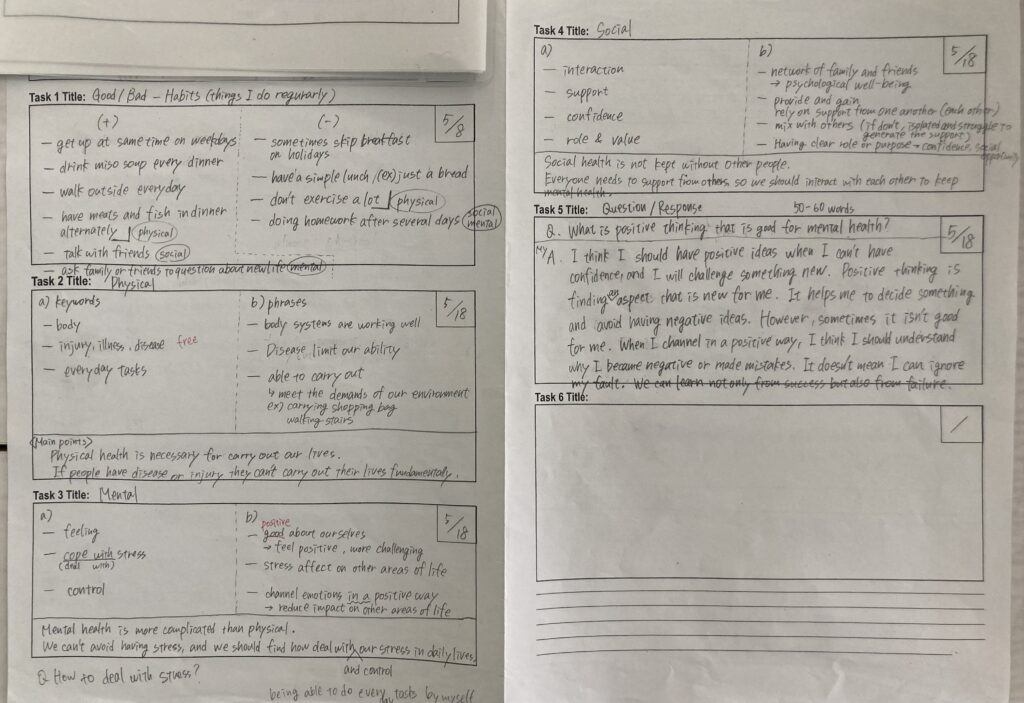
Task 1-4 Title: learning the language: words and phrases used in the topic video

Method: follow these steps;

  • everyone listen to the video introduction – class discussion about the meaning of the video (no note taking yet)
  • group activity – each group member select a category and take notes: main ideas / vocabulary / phrases
  • group discussion – tell and listen for details [learning content]

HOMEWORK

please finish your section – take notes and understand

Student example:


Activity 2: Question and response

Aim: To make a proposal for a question for a project;

  • look at the totality (full information) of the content; broad view: What is health? How important is our health? Are you healthy?
  • look at the topic partially – [part / part of] of the content; narrow/narrowing the information we use: What is being free? Doing what I want to do.

Review: As students for a major project think about the content (step 1); think about who your audience is!? (step2); make a question connected to our audience (listeners / question askers) (step3); prepare your outline (step 4); continue to review the steps.

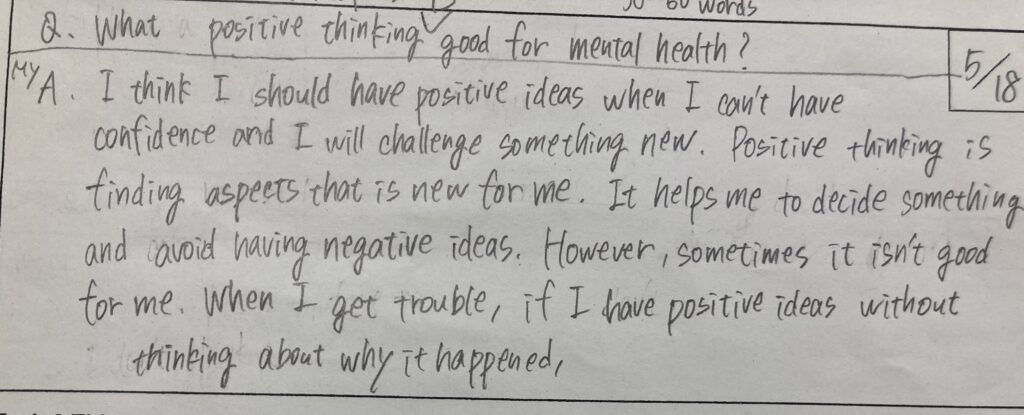
Task 5 Title: Question / Response

  • think of a question
  • write your response
  • 50-60 words

Student example:

HOMEWORK

  • quiz 3 (Saturday 9am)
  • Finish Q/A – Task 5
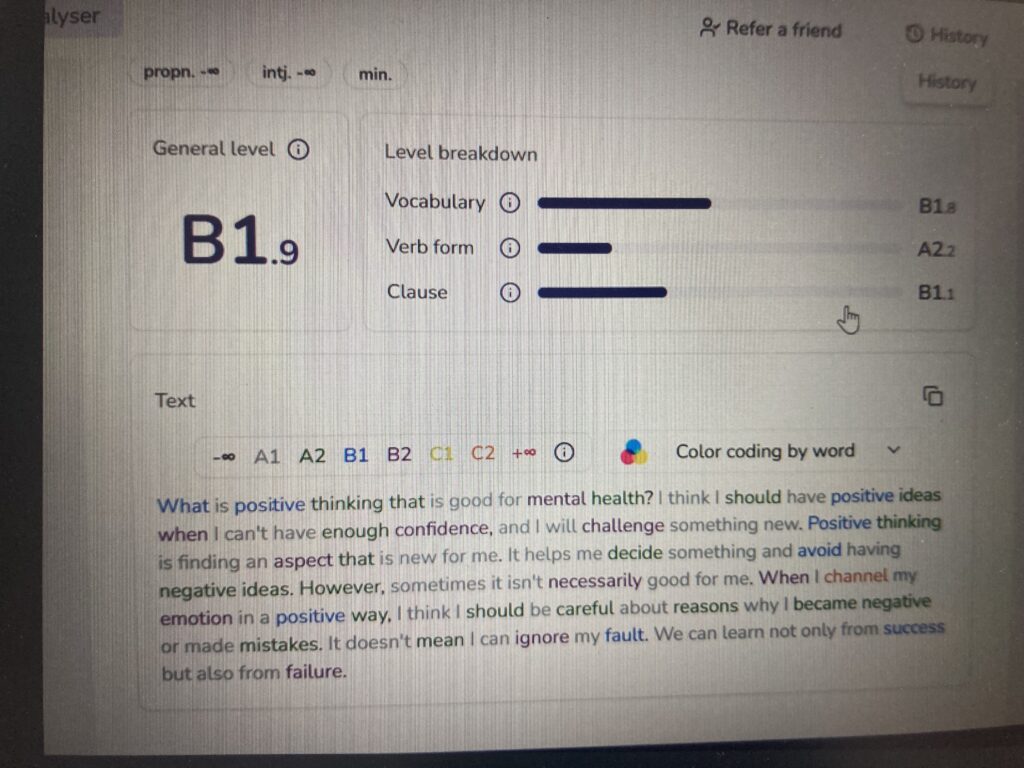
  • Create a CEFR account (Techniques 15a) – use your Gandai email
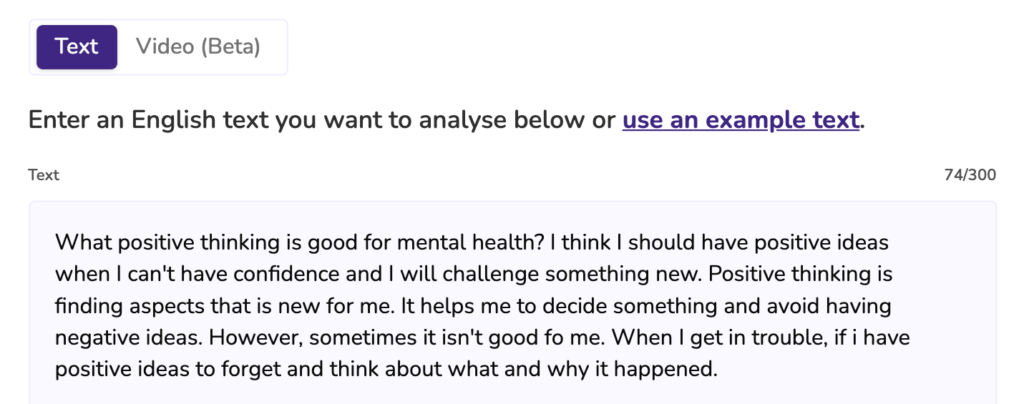
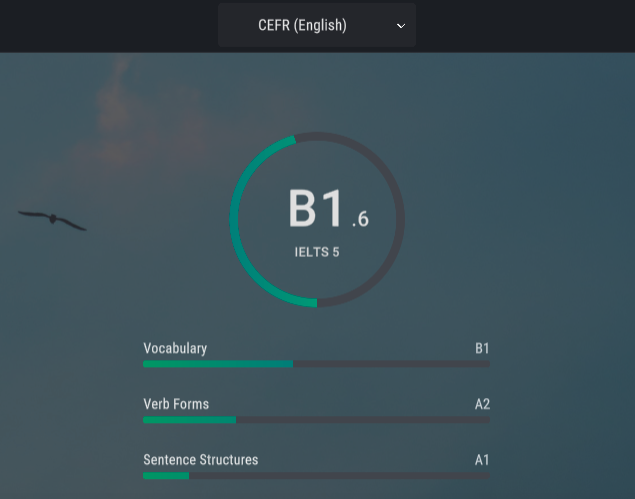
  • Try it (use the CEFR Analyzer) with Task number 5
  • Steps: enter your text; click Analyze; check your feedback-results – take a photo with your smartphone

Student example:

CEFR screenshots: Task 5 – Question and Response

——————– Finished:)

Optional Activity: Paraphrasing notes OR Reduce your notes (T10)

  • sometimes we need to review the notes we take to select the information we want / and don’t want
  • check your main points / topic words / phrases – edit or add (watch the video again)
  • reduce how much you write [reduce is not delete meaning]; to say something in your own words / to make a long sentence short – helps you remember!!

***Hint: reduce is to remember more but say (write) less!

Note Section: Reflection this class activity lesson (2-3)

  • how is this lesson for you?
  • what are the good parts?
  • is there anything difficult?

Lesson 3/4 – May 7/14

Lesson 3:

Topic: Health & Wellbeing (HW)

Aim: In this topic you are going to learn about the meaning of “Health & Wellbeing” and why it is so important.

Objectives: read the activity objectives below;

  1. Listening comprehension: to watch a topic video and learn the key vocabulary and language
  2. Reading comprehension: to practice reading and learn paragraph writing format styles
  3. Writing: to research an endangered animal and write a short report – paragraph format
  4. Speaking: prepare a short 1 minute presentation about your health and wellbeing

Task 1 Title: learning the language: words and phrases used in the topic video

Method: follow these steps;

  • everyone listen to the video introduction – class discussion about the meaning of the video (no note taking yet)
  • group activity – each group member select a category and take notes: main ideas / vocabulary / phrases
  • group discussion – tell and listen for details [learning content]

HOMEWORK

please finish your section – take notes and understand

——————- Lesson May 7 Finish

Lesson 4:

Interaction / Technique Activity: Clarification (6) link is helpful when we are sharing information in groups. We can learn from others. Repeating what someone says helps confirm our level of understanding.

Task X Title: Paraphrasing notes (Technique 10 – Taking notes) link

Activity 2: Paraphrasing notes OR Reduce your notes

  • sometimes we need to review the notes we take to select the information we want / and don’t want
  • check your main points / topic words / phrases – edit or add (watch the video again)
  • reduce how much you write [reduce is not delete meaning]; to say something in your own words / to make a long sentence short – helps you remember!!

***Hint: reduce is to remember more but say (write) less!

Note Section: Reflection this class activity lesson (2-3)

  • how is this lesson for you?
  • what are the good parts?
  • is there anything difficult?

10. Taking Notes

Aim: Taking notes is an important skill. In this class we will take notes about a video topic. There are two main activities;

Activity 1: Taking notes for the first time

  • listen to the video and write the title / headings / main points / key words (topic words) / phrases (parts of sentences about the topic
  • taking notes for the first time usually takes a long time
  • you can repeat this process in class and outside of class

Activity 2: Paraphrasing notes OR Reduce your notes

  • sometimes we need to review the notes we take to select the information we want / and don’t want
  • check your main points / topic words / phrases – edit or add (watch the video again)
  • reduce how much you write [reduce is not delete meaning]; to say something in your own words / to make a long sentence short – helps you remember!!

***Hint: reduce is to remember more but say (write) less!

Lesson 3 – April 30

Activity 1: Theme [Task 4 Title: Video theme]

  • What is the theme of this video? write 20-30 words

How many themes are there;

  1. Communication with people from all over the world
  2. A man dancing with views and people
  3. Countries have own culture and nature
  4. Speaking language – body language
  5. People – the focus
  6. Connection around the world
  7. Communicate with dancing
  8. A strange dance and shared with people around the world

Observing people: what do we learn about observing others?

We can observe and learn a lot of ideas, for example

  • places
  • other people: race / nationality; fashion / actions / movements
  • moments (place and time)
  • we can think about the situation (theme)
  • we can get an opinion (what we think)

Activity (same Task): Select one part of the video and write your ideas:

Teacher Example:

  • places: This is a place in Fiji – Wainivilalase. There are 1000 people in this village
  • other people: These people are Fijian; fBecause they are not rich people they ofent wear very casual clothes. They are famous for being happy and peaceful
  • moments (place and time): In this moment the kids are enjoying the foriegner visiting their island
  • theme: I think that the people in this video can share and enjoy by dancing together.
  • opinion: I think that these people (Fijian’s) are friendly and very happy to meet people visiting their village (place)

Technique: Is asking follow up questions (3b)

Q. Do you want to travel to there? If yes – why? If no – Where do you want to travel to in the future?

Q. Why do you think…. [these people are friendly or happy] ?

Q. If you want to go there… what other things do you want to do?

Task 6 Title: Reflection

Lesson 2 and 3: How is this lesson for you? Can you learn English? good points… bad points

Lesson 3 – April 30

Topic: Health & Wellbeing (HW)

Aim: In this topic you are going to learn about the meaning of “Health & Wellbeing” and why it is so important.

Objectives: read the activity objectives below;

  1. Listening comprehension: to watch a topic video and learn the key vocabulary and language
  2. Reading comprehension: to practice reading and learn paragraph writing format styles
  3. Writing: to research an endangered animal and write a short report – paragraph format
  4. Speaking: prepare a short 1 minute presentation about your health and wellbeing

Task 4 Title: learning the language: words and phrases used in the topic video

Method: follow these steps;

  • everyone listen to the video introduction – class discussion about the meaning of the video (no note taking yet)
  • group activity – each group member select a category and take notes: main ideas / vocabulary / phrases
  • group discussion – tell and listen for details [learning content]

Task 5 Title: paraphrasing notes (Technique 10)

Activity 2: Paraphrasing notes OR Reduce your notes

  • sometimes we need to review the notes we take to select the information we want / and don’t want
  • check your main points / topic words / phrases – edit or add (watch the video again)
  • reduce how much you write [reduce is not delete meaning]; to say something in your own words / to make a long sentence short – helps you remember!!

***Hint: reduce is to remember more but say (write) less!

Note Section: Reflection this class activity lesson (2-3)

  • how is this lesson for you?
  • what are the good parts?
  • is there anything difficult?