Author: admin
Brain storming
Aim: to prepare for short writing activities
Task 5: Let’s begin the first 2 steps; word cloud (English words linked to a theme); english phrases. For example, GW (Golden Week)
Step 1: word cloud; step 2: phrases linked to your words and ideas
***we do this to prepare for a writing or speaking activity.
Task 6: write a short paragraph using the details in Task 5
Teacher example:

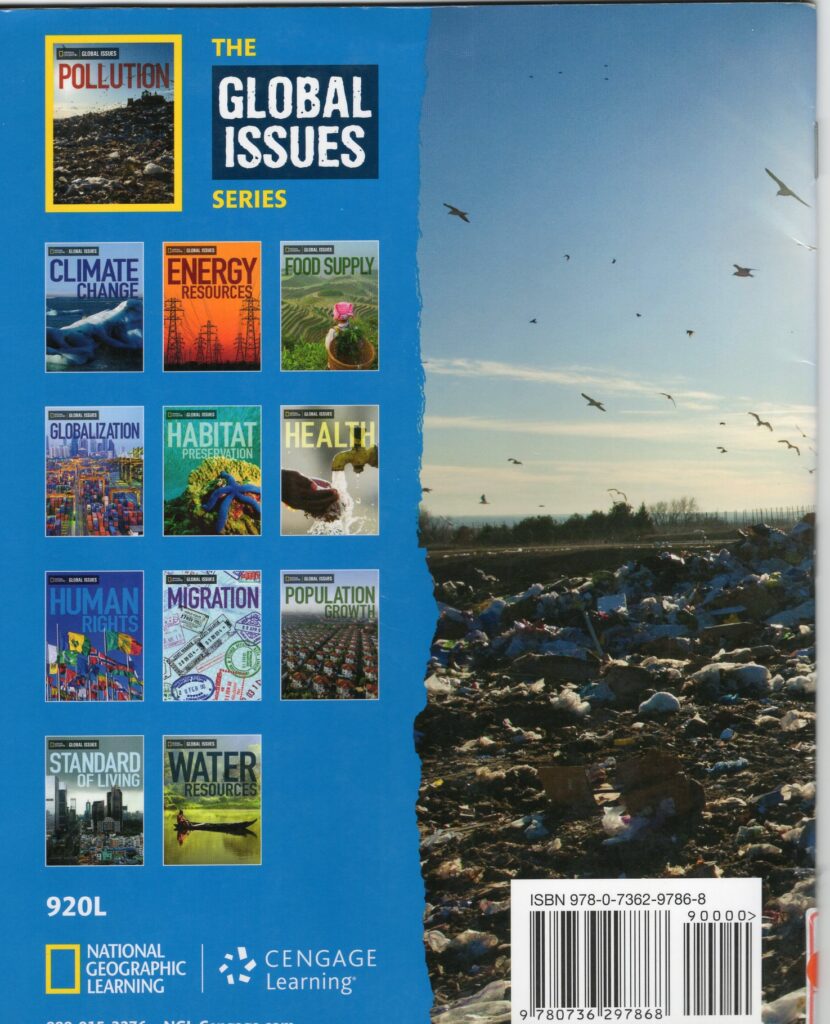
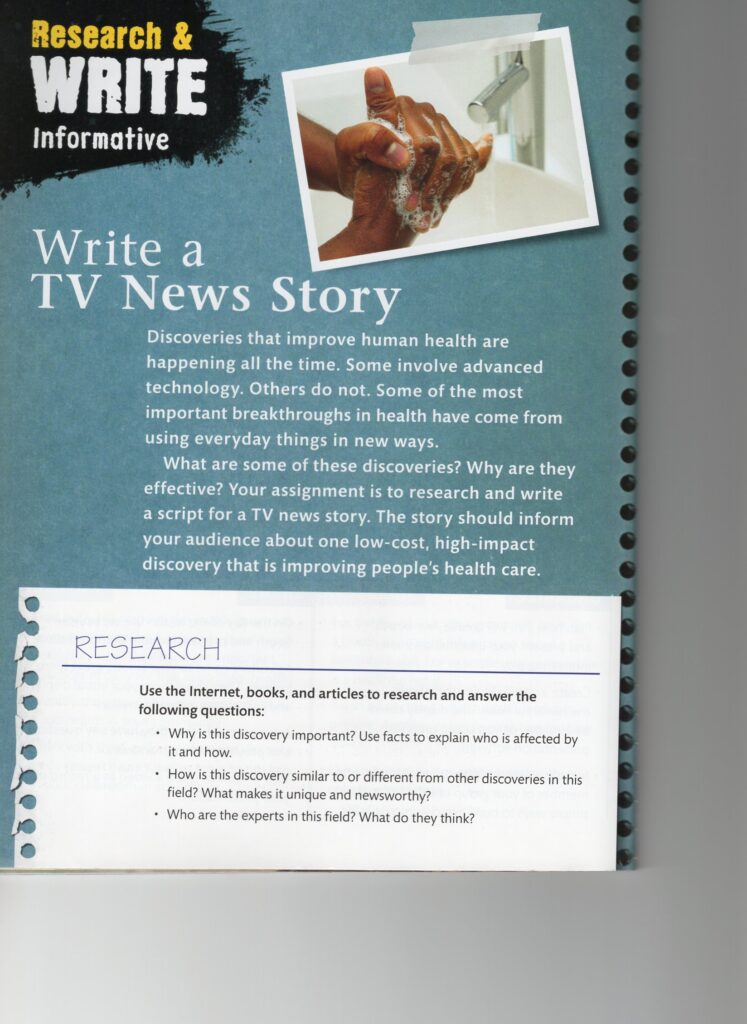
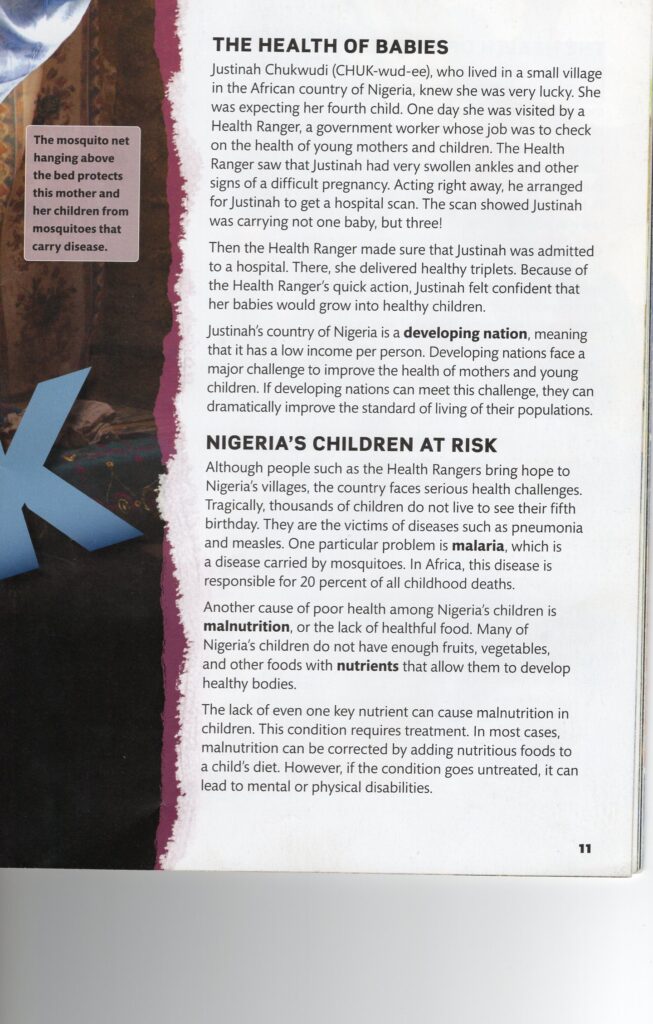
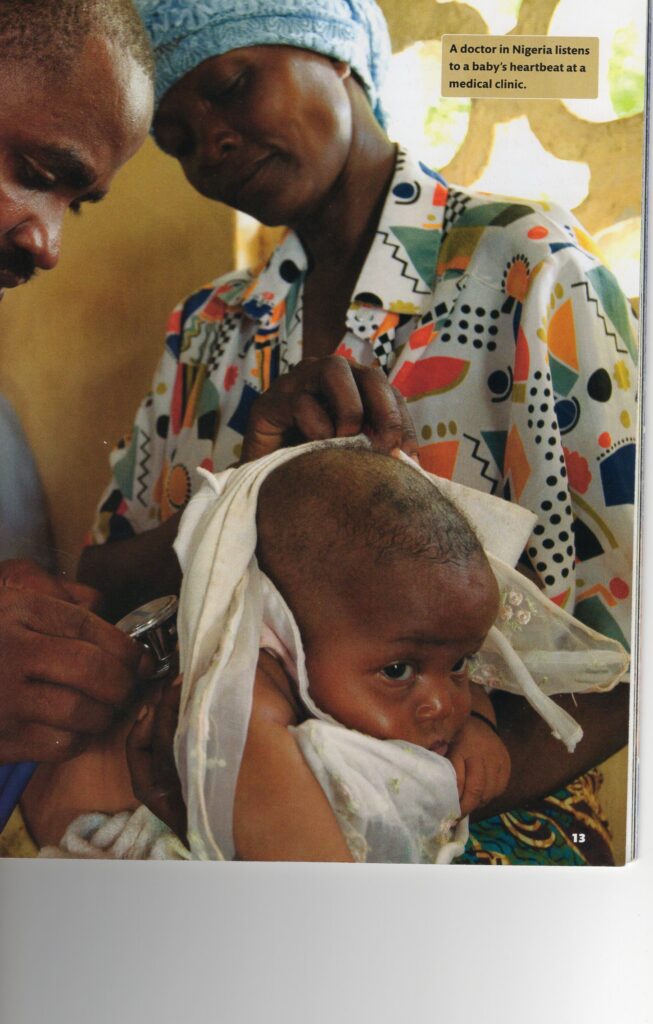
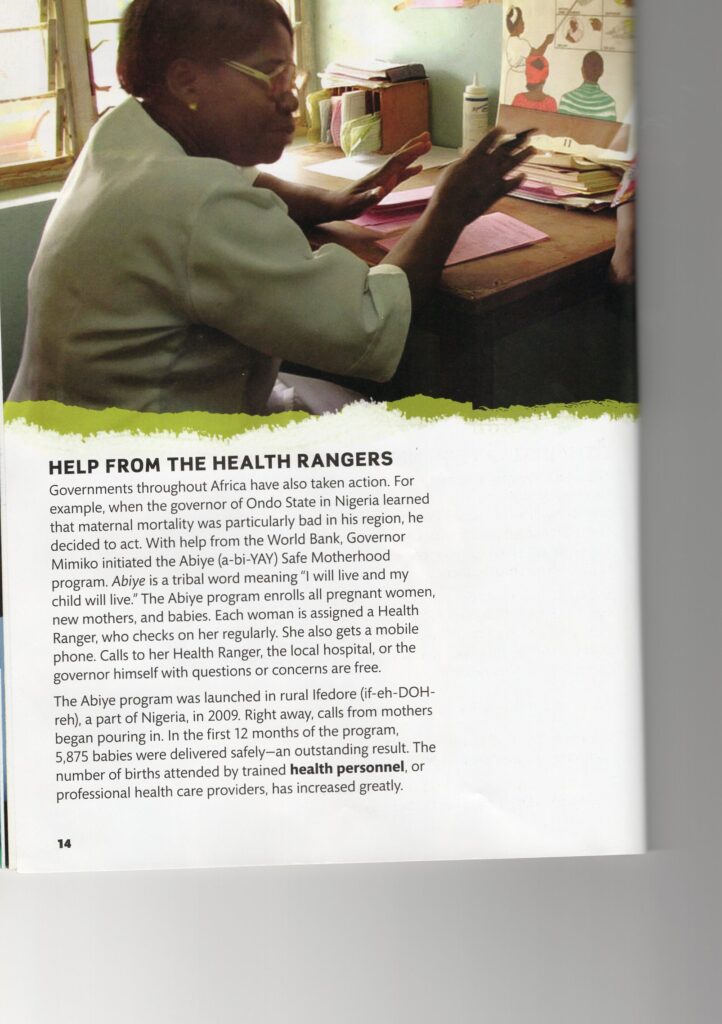
Readers: National Geographic
Level: Orange 1
Moodle Link
Type: Non Fiction – for language learning
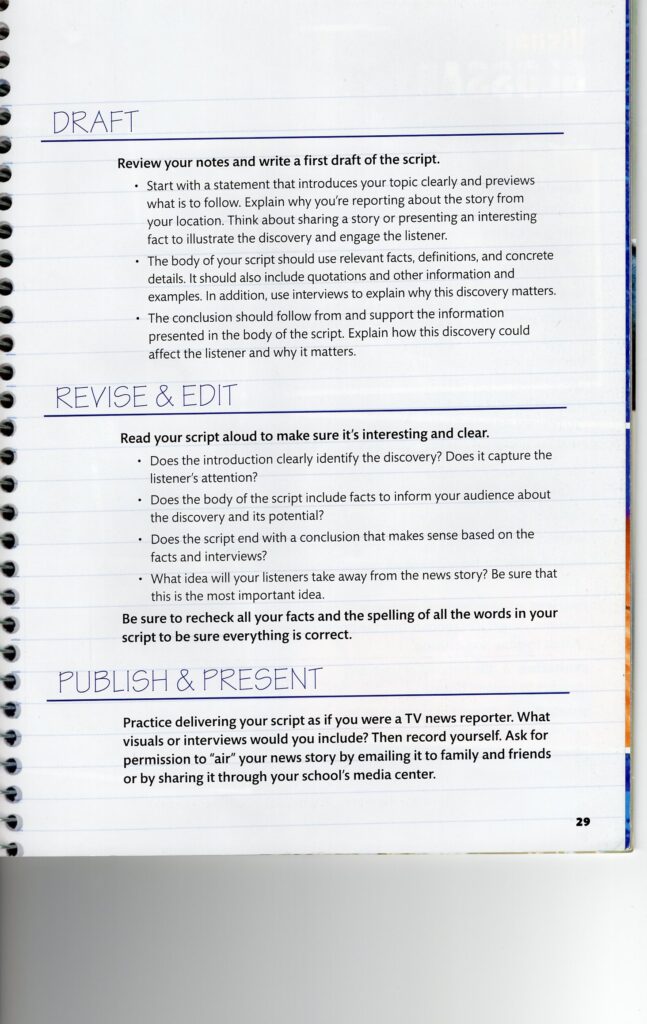
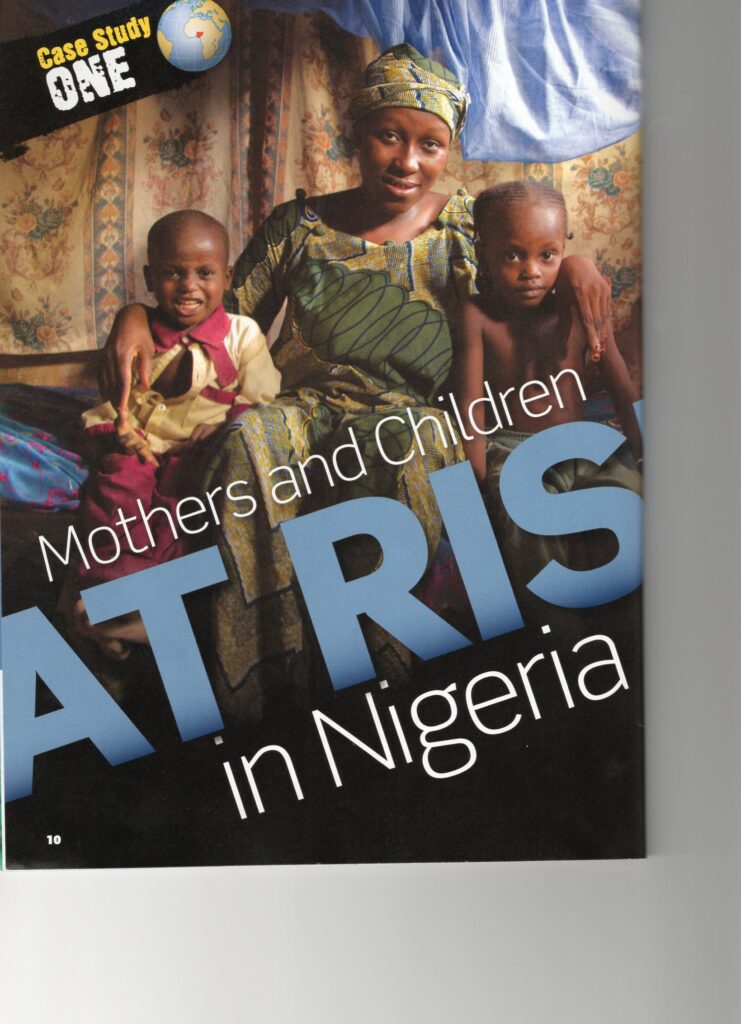
What is a reader? : A reader is a small book about a topic. These topics are “Global Topics” to learn English and to learn new information.
Pages & Activities: The teacher will demonstrate these pages / activities to you in class.





Teaching and Learning Philosophy
Hello everyone. Welcome to university if you are year one students. At university there is a higher expectation for learning. Every student is responsible for their own learning. Please read the following carefully:
At the start of the semester, we will slowly understand the objectives, and how to
follow the lesson format, and practice the class activities. There are specific activity aims, language and speaking objectives. Also, we have important techniques we aim to achieve for every topic. There are techniques we will learn about (skills) to use and to focus on accuracy, and then later to develop fluency. The teacher will often give demonstrations, and feedback during activities, and give feedback at the end of activities.
I will now introduce to you a Higher Learning (University) model for teaching and learning. Then I will explain the theory.
Paul Nations Four Strands Model
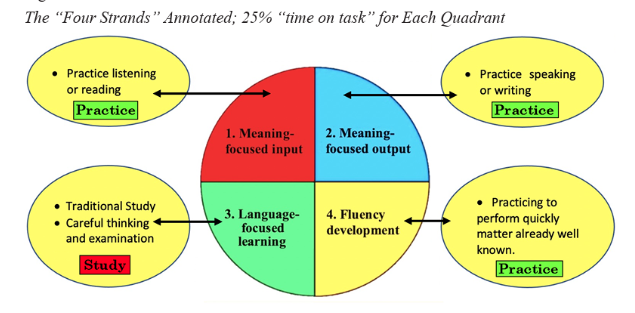
Reference Nation, P. (2018). Keeping it practical and keeping it simple. Language Teaching, 51(1), 138-146.
1.Writing: Teacher examples and templates will be used to learn how to write in both paragraph format and short essay format, as well as preparing a speech. Several writing themes twill be used to give descriptions, explain something, share opinions, give ideas, solve problems, and advantages and disadvantages.
2. Reading: Reading will be done as a pre-task and reading skills will be learned during class, and practiced. Techniques for identifying topic a) meanings, b) main points, c) words (specialised vocabulary) and d) topic phrases. Topic sentences will be learned and practiced. Techniques will be used to develop these skills to improve comprehension ability and overall reading fluency.
3. Listening: Listening will be a part of a) watching videos, b) understanding instructions, c) listening to other students in reading and speaking activities. Students will also be expected to take notes of speakers, ask questions, and have discussions.
4. Speaking: Students will be expected to speak in English. There will be activities to both produce and present as well as focus on interaction with others in as much English as possible. For presenting important speech techniques will be used and
practiced.
General Course Information
Name & Details: Simon Townsend
- Email: townsend@iwate-u.ac.jp
- Contact: I am often free before or after class for questions. If you want to meet me at a different time you please make an appointment.
- …
Class Rules: please read the following
- do not be late for class
- if you are sick and you can not come to class – please contact me
- do not be absent for more than 3 classes; you could fail this class
- respect other students – this lesson is a shared learning experience
- if you miss a class, please check this blog (homepage) for schoolwork
- …
Course Information and Activities: please read the following
- the teacher will use the Iwate University Policy for grading
- all classwork is important for your final grade
- there is no late submission of classwork – if you have trouble talk to your teacher
- the teacher will give feedback for all classwork
- assessment will be explained by the teacher for each activity
- pre-tasks or homework will be given
- students should study 1hour to 2 hours every week – project work will take more time
- …
Teaching methods: The teacher will design lesson themes and topics for langugae learning, and implement (use) use the following two main points;
- Thematic teaching is used. The meaning of thematic teaching an instructional approach that organises curriculum around a central topic or theme, integrating subjects like math, science, language arts, and social studies. [1]
- Global Topics are used. approach fostering awareness, empathy, and understanding of diverse cultures and interconnected global issues. Also it is viewed as essential in preparing students to work in, and understand, a world where the majority of future jobs are not yet created. [2]
Assessment: read the below guidelines
An assessment criterion or ‘Rubric‘ will be used for all student evaluation, during work at different stages of schoolwork. There will often be a draft stage and final stage. What is an assessment rubric? [3]
A rubric is a check list of information for students to use when they prepare, and self-evaluate, or peer-evaluate (evaluating other members). The teacher will also use the Rubric to a) give feedback in class, and b) give a final score. and for final get assessed by the teacher when they submit work. “Rubrics help students:
1.Focus their efforts on completing assignments in line with clearly set expectations.
2.Self and Peer-reflect on their learning, making informed changes to achieve the desired learning level” [3].
References
[1] Eric (2022). Thematic teaching in action. https://eric.ed.gov/?id=EJ773877#:~:text=This%20article%
20describes%20%22thematic%20teaching,actively%20constructing%20their%20own%20knowledge.
[2] Primary Source (2022). What is Global Education. https://primarysource.org/about-us/what-is-global-education
[3] UC Berkeley (2022). Rubrics. https://teaching.berkeley.edu/resources/improve/evaluate-course-level-learning/rubrics
Calendar
Asking someone for their opinion about a topic
When asking someone about their opinion, we may use a number of approaches.
This week, we are concentrating on two approaches, namely:
- Yes/No questions.
- OR questions.
————————————————————————————————–
Yes/No questions
The answer to this question may start with Yes or No. For example:
Q: Do you think everyone should learn Greek?
A: (Yes,) I do, … / (No,) I don’t, …
Some good ways to start a Yes/No Question are as follows:
- Do you think (that) …
- Do you believe …
- Have you ever considered/thought/imagined/attempted…
- Would you consider …
One potential weakness that a Yes/Now Question may have is that the answer to it may be very brief.
—————————————————————————————————-
OR Questions
In these questions, you give the other person two or more alternatives to choose from. For example:
Q: Would you rather prefer to be educated privately or by the state?
A: I would rather attend a public school. …
Some good ways to start an OR Question are as follows:
- Are you for or against … ?
- Would you prefer … or … ?
- Would you rather … or … ?
- Which should … or … ?
Another way to ask about other opinions is to ask WH Questions. This type of questions usually starts with what, when, where, who, whom, which, whose, why or how.
Some good ways to start a WH Question are as follows:
- What do you think (of/about) … ?
- What do you think is … ?
- How do you … ?
- In your opinion, which is … ?
- Who do you side with: … or …?
The last technique of asking about other opinions we will consider is using Negative Yes/No Questions. This type of questions helps us to confirm if something is true or not.
Some good ways to ask a Negative Yes/No Question are as follows:
- Don’t you …
- Isn’t it …
- Wouldn’t you …
- Why don’t they …
————————————————————————————————————-
A Negative Yes/No Question is usually a reaction to what someone else said.
E.g. 1.
Speaker A: All Ukrainian women are tall and blonde. They can be fashion models and make a lot of money.
Speaker B: Yes, but isn’t it a bit too general? I am from Ukraine, and I am short, and my hair is brown. ……
————————————————————————————————————-
Often, there is another statement/phrase before the Negative Yes/No Question. That statement/phrase links the Question to something that the previous speaker said.
E.g. 2.
Speaker A: All Ukrainian women are tall and blonde. They can be fashion models and make a lot of money.
Speaker B: You said/suggested/mentioned that all Ukrainian women are tall and blonde, and can be fashion models and make lots of money. Don’t you think there are short women in Ukraine whose hair is of a different color? ………
————————————————————————————————————-
Sometimes, the Negative Yes/No Question comes after a question of another kind.
E.g. 3.
Speaker A:I love winter in Nagano!
Speaker B: How about Morioka? Isn’t winter great here too? ……